Emergency Funds Explained: Why Every American Needs One
Learn what an emergency fund is, why every American needs one, and how it protects your finances during unexpected life events.
Financial emergencies rarely announce themselves in advance. A sudden job loss, an unexpected medical bill, a major car repair, or an urgent home expense can quickly disrupt even a carefully planned budget. In moments like these, the absence of readily available savings often forces people to rely on credit cards, personal loans, or assistance from others. This is precisely why an emergency fund is considered a cornerstone of personal financial stability in the United States.
An emergency reserve is not about preparing for every possible scenario or accumulating excess cash without purpose. It is about resilience. It provides a buffer between everyday life and financial shock, allowing individuals to navigate difficult moments without turning a temporary problem into a long-term financial setback. In an economy where income volatility, healthcare costs, and living expenses can fluctuate widely, this financial buffer has become more important than ever.
Many Americans underestimate how quickly an unexpected event can strain finances. Surveys consistently show that a large portion of households would struggle to cover a moderate emergency expense without borrowing. This reality highlights a structural vulnerability that a cash cushion directly addresses.
This article explains what an emergency savings account is, why it matters for Americans at every income level, how it works in practice, and how to build one realistically. It also explores common misconceptions, the role of precautionary savings in long-term financial planning, and how this simple financial tool supports both security and peace of mind.
What an Emergency Fund Is and How It Works

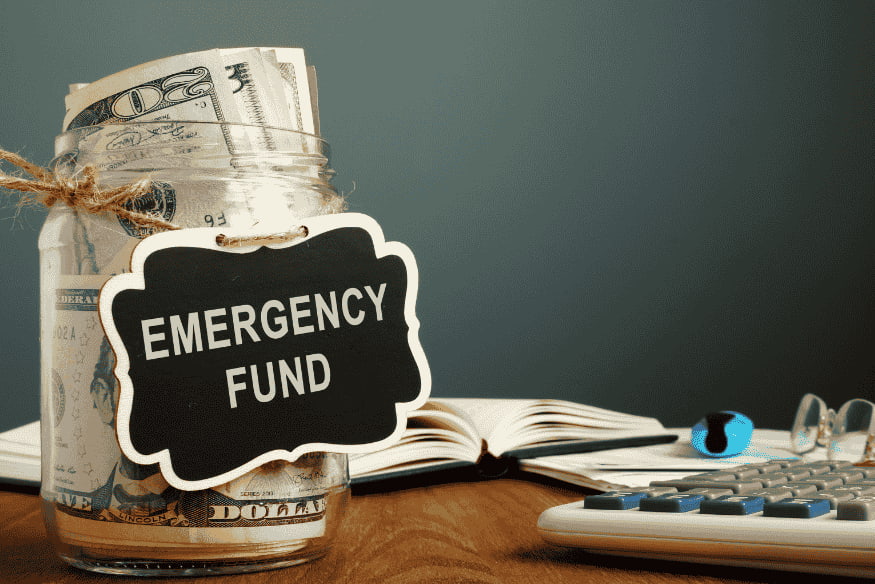
An financial reserve is a designated pool of money set aside specifically to cover unexpected and necessary expenses. Its defining characteristics are accessibility, safety, and purpose. Unlike investment accounts, emergency savings are not meant to grow aggressively. Their primary role is to be available when needed.
The reserve is typically kept in a highly liquid account, such as a savings account or money market account. Liquidity ensures that funds can be accessed quickly without penalties or market risk. Safety ensures that the money retains its value regardless of economic conditions.
What qualifies as an emergency is equally important to understand. This financial buffer is not intended for discretionary spending, planned purchases, or lifestyle upgrades. It exists to address events that are unavoidable and time-sensitive, such as medical costs, essential repairs, or temporary loss of income.
In practice, an emergency fund works as a financial shock absorber. Instead of relying on debt or disrupting long-term goals, you draw from this reserve and then replenish it over time. This process stabilizes cash flow and protects other areas of your financial life.
The simplicity of this safety net is part of its strength. It does not require complex strategies or advanced financial knowledge. It requires clarity of purpose and consistency of contribution.
Why Matter in the American Financial System
The need for emergency savings is closely tied to the structure of the U.S. economy. Many Americans experience income variability due to contract work, commissions, variable hours, or self-employment. Even salaried workers are not immune to layoffs, furloughs, or sudden changes in employment conditions.
Healthcare costs represent another major factor. Even with insurance, deductibles and out-of-pocket expenses can be substantial. An emergency fund helps bridge the gap between coverage and actual costs, reducing stress during already challenging situations.
Credit access is often viewed as a safety net, but relying on credit during emergencies can be costly. Interest charges and fees can turn a short-term expense into long-term debt. This reserve reduces dependence on borrowing and preserves credit health.
From a broader perspective, emergency savings contribute to financial stability and independence. They reduce vulnerability to predatory lending, minimize reliance on social assistance, and support better decision-making under pressure.
In a system that rewards liquidity and penalizes financial fragility, these reserves play a critical role in protecting households from cascading financial problems.
How Much Should an Emergency Fund Contain
Determining the appropriate size of an financial reserve is one of the most common questions in personal finance. While there is no universal answer, guidelines provide a useful starting point.
A commonly recommended range is three to six months of essential living expenses. This includes housing, utilities, food, transportation, insurance, and minimum debt payments. The goal is to cover necessities, not maintain a full lifestyle.
Individual circumstances influence this range. Those with stable income, strong job security, or dual-income households may feel comfortable closer to the lower end. Individuals with variable income, dependents, or limited access to credit may benefit from a larger buffer.
It is important to recognize that building a financial reserve is a gradual process. Starting with a smaller target, such as one month of expenses, provides immediate protection while maintaining motivation. Over time, incremental increases strengthen resilience.
The emphasis should be on adequacy rather than perfection. An imperfect safety buffer is far better than none, and flexibility allows it to evolve with changing financial conditions.
Where to Keep an Financial Reserve Safely
The location is just as important as its size. The primary requirements are safety, liquidity, and separation from everyday spending accounts.
High-yield savings accounts are a common choice. They offer easy access, modest interest, and protection for deposits insured by the FDIC up to applicable limits. This insurance ensures that funds remain secure even if a bank fails.
Money market accounts can also serve this purpose, offering similar safety with slightly different features. The key is avoiding accounts that impose withdrawal penalties, lock-up periods, or market exposure.
These reserves should generally not be invested in stocks, mutual funds, or long-term certificates of deposit. Market volatility and access restrictions undermine the purpose of emergency savings, which is immediate reliability.
Separating the reserve from checking accounts reduces the risk of accidental spending. Keeping it slightly out of reach reinforces its designated role without compromising accessibility.
Common Misconceptions About Emergency Funds
Despite widespread advice, financial reserves are often misunderstood. One common misconception is that they are unnecessary for individuals with high income. In reality, higher income often correlates with higher fixed expenses, increasing vulnerability during disruptions.
Another misconception is that credit cards can replace precautionary savings. While credit provides temporary liquidity, it introduces interest costs and repayment obligations that can strain finances further.
Some people believe emergency savings are inefficient because they earn low returns. However, this view overlooks the role as insurance rather than investment. The value lies in risk reduction, not growth.
There is also a tendency to delay building a financial buffer until finances feel more stable. This creates a paradox where protection is postponed until it feels less necessary. In practice, emergency reserves are most critical during periods of uncertainty.
Understanding these misconceptions helps reframe emergency savings as a strategic necessity rather than a financial luxury.
How They Support Long-Term Financial Goals

Emergency savings are closely linked to broader financial objectives. By preventing the need to tap retirement accounts or incur high-interest debt, they protect long-term plans.
When emergencies arise without savings, individuals often divert resources from investments, education funds, or retirement contributions. Recovering from such disruptions can take years. An emergency fund acts as a buffer that preserves long-term momentum.
Emergency reserves also support psychological stability. Knowing that funds are available reduces stress and improves decision-making. This confidence can lead to better financial habits and planning choices.
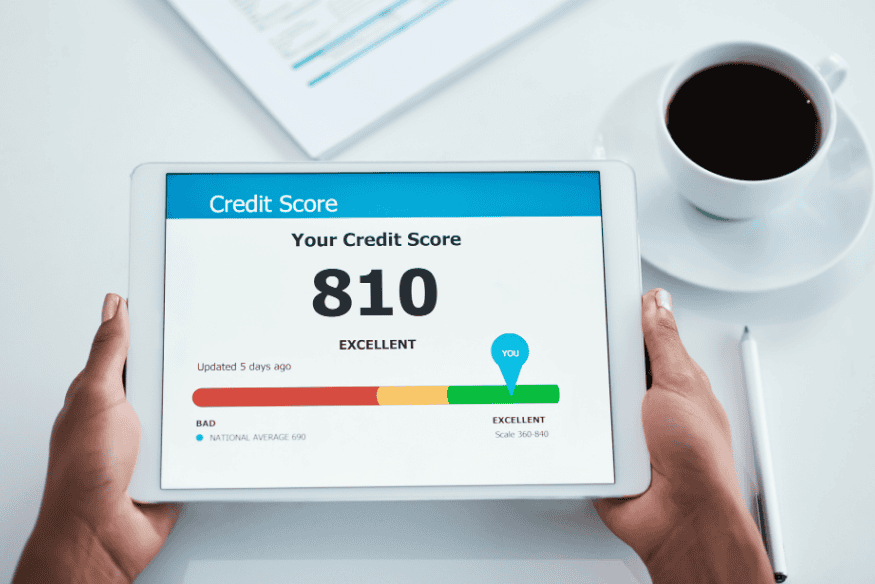
From a credit perspective, precautionary savings help maintain positive payment history by ensuring that obligations can be met during income interruptions. This supports credit profiles evaluated by scoring models and reported by institutions such as Experian.
In this way, financial buffers reinforce multiple aspects of financial well-being simultaneously.
How to Build an Emergency Fund Realistically
Building an financial reserve does not require drastic lifestyle changes. It requires consistency and intentionality. Starting small is often the most effective approach.
Automating savings removes friction. Regular transfers aligned with income schedules ensure steady progress without relying on willpower. Even modest contributions accumulate over time.
Redirecting windfalls, such as tax refunds or bonuses, can accelerate growth. These one-time funds provide opportunities to strengthen savings without affecting monthly budgets.
Reframing savings as a fixed expense rather than a leftover amount improves discipline. Treating emergency contributions as non-negotiable reinforces their importance.
Adjusting expectations is also important. Building this fund takes time, and progress should be measured by consistency rather than speed.
When and How to Use
Knowing when to use an emergency fund is as important as building one. The key criteria are necessity, urgency, and lack of alternatives. These factors help distinguish true emergencies from everyday expenses or financial inconveniences that can be managed through normal budgeting.
Emergencies typically involve essential expenses that cannot be delayed or avoided, such as medical bills, critical home repairs, or sudden income loss. If an expense is predictable, optional, or part of regular spending patterns, it likely does not qualify and should be planned for separately.
Using the reserve should always be followed by a clear replenishment plan. Once the immediate situation stabilizes, rebuilding the buffer restores preparedness and ensures protection against future disruptions. Even small, consistent contributions help recover balance.
Avoiding guilt or hesitation is important. Emergency savings exist to be used when appropriate. Using them wisely fulfills their purpose rather than undermining it, preventing reliance on high-interest debt during crises.
Clear guidelines help prevent misuse and maintain the integrity of the safety net. Defining qualifying situations in advance reduces emotional decision-making and reinforces discipline. When rules are established early, financial reserves become a reliable protection mechanism rather than a source of stress.
Financial Reserves Across Different Life Stages
The role and size of an emergency fund evolve over time as financial responsibilities and priorities change. Young adults may focus on building a basic buffer that covers a few months of essential expenses, providing protection during career transitions, relocation, or unexpected gaps in income.
As families form and expenses grow, financial reserves typically expand. Dependents, housing costs, childcare, and insurance premiums increase financial complexity, making a larger cushion necessary. At this stage, precautionary savings help absorb shocks without disrupting household stability.
Mid-career individuals often balance precautionary savings with investments and debt reduction. While long-term growth becomes important, financial buffers continue to serve a protective function. They act as a stabilizer, safeguarding mortgages, education costs, and business obligations during periods of uncertainty.
In later stages of life, the focus may shift again. These savings may prioritize healthcare expenses, unexpected medical costs, or temporary income disruptions during retirement transitions. Liquidity and accessibility become as important as size.
Adapting financial reserves to life stages ensures relevance and effectiveness over time. Regularly reassessing needs prevents underfunding or excessive conservatism and aligns savings with current realities.
The Broader Impact of Emergency Savings in Society

At a societal level, widespread emergency savings contribute significantly to economic resilience. Households with adequate financial buffers are better able to absorb unexpected shocks, such as job losses, medical expenses, or economic downturns, without sharply reducing consumption or defaulting on obligations.
This stability supports broader economic health by smoothing spending patterns and reducing volatility during periods of stress. When fewer households rely on high-interest credit or emergency assistance, the overall financial system experiences less strain. Emergency funds therefore help limit the ripple effects of individual financial disruptions.
Financial education efforts increasingly emphasize emergency savings as a foundation for economic security. Schools, employers, and community organizations promote this concept as a preventive measure rather than a reactive one. Policymakers and financial institutions also recognize that stronger household balance sheets reduce vulnerability and improve long-term outcomes.
Emergency preparedness fosters independence and confidence at the household level while contributing to collective stability. While individual circumstances vary, the cumulative effect of consistent emergency savings strengthens communities, supports economic continuity, and reinforces the resilience of financial systems during uncertain times.
Conclusion
An emergency fund is one of the most practical and powerful financial tools available to Americans. It provides stability in uncertainty, protects long-term goals, and reduces dependence on debt during challenging moments.
By understanding what a financial reserve is, how it works, and how to build one realistically, individuals can strengthen their financial foundation regardless of income or life stage. Emergency savings transform unexpected events from crises into manageable situations.
The value of a safety reserve lies not in its size alone, but in its purpose. It represents preparedness, resilience, and financial independence. Building and maintaining this fund is one of the most impactful steps toward lasting financial security.
If you do not yet have a financial buffer, start where you are. Small steps taken consistently can create meaningful protection over time.