How Credit Utilization Impacts Your Credit Score in the U.S.
Learn how credit utilization affects your credit score in the U.S. and how to manage balances strategically for better credit health in 2026.
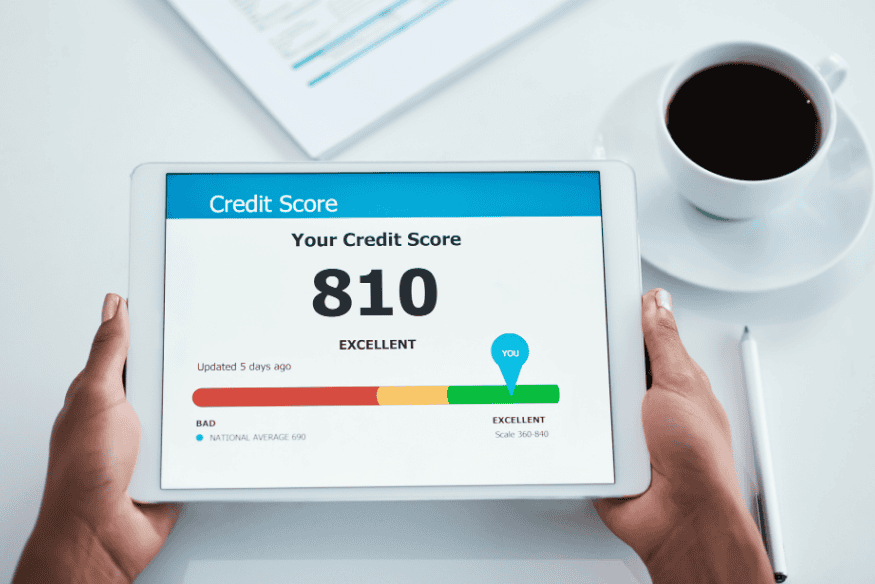
Understanding how your financial behavior influences your credit score is essential for navigating the U.S. credit system effectively. Among the many factors that shape a consumer’s credit profile, credit utilization stands out as one of the most influential and, at the same time, one of the most misunderstood. Many people assume that simply paying bills on time is enough to maintain a healthy credit rating, but the way you use your available credit can either strengthen or undermine that effort.
Credit utilization refers to how much of your available revolving credit you are using at any given time. Even if you never miss a payment, consistently carrying high balances relative to your credit limits can signal financial stress to lenders and scoring models. As a result, your financial rating may suffer despite otherwise responsible habits. In a lending environment that has become more data-driven and risk-focused in recent years, this metric has gained even more importance.
In 2026, credit scoring models continue to rely heavily on utilization patterns to assess borrower risk. With the growing use of automated underwriting and instant credit decisions, small differences in utilization can have an outsized impact on loan approvals, interest rates, and credit card offers. This makes understanding the mechanics of credit utilization not just helpful, but critical.
This article explores how credit utilization affects your consumer rating in the U.S., why it matters so much, and how you can manage it strategically. You will learn how utilization is calculated, how it interacts with major scoring models, common mistakes to avoid, and practical strategies to optimize your profile over time.
What Credit Utilization Means in the U.S. Credit System
Credit utilization measures the percentage of your available revolving credit that you are currently using. Revolving credit typically includes credit cards and lines of credit, as opposed to installment loans like auto loans or mortgages, which are treated differently by scoring models.
In practical terms, utilization is calculated by dividing your outstanding balances by your total credit limits. For example, if you have a total credit limit of $10,000 across all cards and you carry $3,000 in balances, your utilization rate is 30 percent. This calculation can be done both per card and across your entire credit profile.
In the U.S., utilization is considered a core indicator of short-term financial behavior. It reflects how dependent you are on borrowed money right now, rather than your long-term repayment history. Scoring systems interpret high utilization as a sign that you may be stretched financially, even if you have never missed a payment.
Importantly, credit utilization is dynamic. Unlike payment history, which builds slowly over time, utilization can change from month to month. A single high balance reported at the wrong time can temporarily lower your credit score, while reducing balances can lead to relatively fast improvements.
Credit bureaus collect balance and limit information from lenders, usually once per billing cycle. That means timing matters. Even people who pay their credit cards in full every month can appear highly utilized if balances are reported before payment is processed. Understanding this reporting dynamic is key to managing utilization effectively.
Why Credit Utilization Strongly Influences Your Credit Score
Credit utilization is one of the most heavily weighted factors in widely used scoring models. In general, it accounts for a significant portion of how your credit score is calculated, often second only to payment history. This emphasis reflects lenders’ belief that current credit behavior is a strong predictor of near-term default risk.
When utilization is high, it suggests that a borrower may be relying extensively on credit to cover expenses. From a risk perspective, this raises concerns about liquidity and financial resilience. Lenders want to see that you have available credit you are not using, which indicates a buffer against unexpected expenses.
Modern underwriting systems rely on automated risk assessments that incorporate utilization ratios in real time. This means that two borrowers with identical incomes and payment histories can receive very different outcomes based solely on how much of their available credit they are using.
High utilization can also compound other risk signals. For example, if balances are rising over time or spread across multiple cards, it may suggest deteriorating financial conditions. Conversely, consistently low utilization reinforces the impression of disciplined credit management.
Because utilization is so influential, it often explains short-term fluctuations. Many consumers are surprised to see their score drop after a large purchase, even when they intend to pay it off soon. This reaction is not a punishment, but a reflection of how scoring models prioritize current exposure over future intentions.
Individual Card Utilization vs. Overall Utilization
A common misconception is that only overall credit utilization matters. In reality, scoring models evaluate utilization at multiple levels. Both your total utilization across all accounts and the utilization on each individual card play a role in shaping your credit score.
Overall utilization looks at the combined balances and limits of all revolving accounts. This metric provides a high-level view of how much credit you are using relative to your total available capacity. Keeping this number low is essential for maintaining strong credit indicators.
Individual card utilization, however, can be equally important. Maxing out a single card, even if your overall utilization remains moderate, can still negatively affect your financial standing. This pattern may suggest reliance on a specific credit line or limited access to liquidity.
Diversification matters as well. Spreading balances evenly across cards instead of concentrating debt on one account can sometimes result in a more favorable utilization profile. However, this should not encourage unnecessary borrowing, but rather thoughtful management of existing obligations.
Another factor is how lenders interpret utilization patterns. Some underwriters look closely at individual card behavior to identify potential stress points. A card consistently near its limit may raise red flags even if other cards are lightly used.
Understanding both dimensions of utilization allows for more precise credit management. It helps explain why certain actions, such as paying down one card instead of another, can produce different outcomes in your overall credit profile.
Optimal Credit Utilization Ratios
For years, financial guidance has suggested keeping credit utilization below 30 percent. While this remains a useful benchmark, more recent data indicates that lower ratios are generally associated with stronger credit scores. Borrowers with the highest scores often maintain utilization well below that threshold.
Many credit experts now view 10 to 20 percent as a safer range for optimal credit performance. Borrowers in this range tend to demonstrate both access to credit and restraint in using it, which scoring models reward.
That said, there is no single cutoff point where a credit score suddenly improves or declines. Utilization is evaluated on a sliding scale. Each incremental increase in usage can have a marginal effect, particularly as balances approach credit limits.
Zero utilization, however, is not necessarily ideal. If all revolving accounts report a zero balance for extended periods, some scoring models may have less information to assess current credit behavior. Modest, controlled usage followed by prompt repayment often produces the most balanced results.
It is also important to consider life circumstances. Large, temporary expenses can push utilization higher, but the effect can be reversed once balances are reduced. The key is to avoid maintaining high utilization over extended periods.
How Credit Utilization Interacts With Major Scoring Models
In the U.S., they are primarily calculated using proprietary models developed by FICO and VantageScore. While the exact formulas are not public, both systems emphasize credit utilization as a core risk factor.
FICO models evaluate utilization across multiple dimensions, including overall usage, individual account usage, and the number of accounts with balances. They also consider patterns over time, such as increasing or decreasing utilization trends.
VantageScore places similar weight on utilization but may interpret certain behaviors slightly differently. For example, some versions are more forgiving of short-term balance spikes if there is a clear pattern of repayment.
Both models rely on data provided by credit reporting agencies such as Experian, Equifax, and TransUnion. These bureaus typically receive updated balance information monthly, which means utilization snapshots can vary depending on reporting cycles.
As scoring models evolve, they increasingly incorporate predictive analytics. This allows them to interpret utilization in context, such as differentiating between strategic credit use and signs of financial distress. Still, maintaining low and stable utilization remains one of the most reliable ways to support a strong credit score.
Common Credit Utilization Mistakes That Hurt Your Score
Many consumers unintentionally harm their credit score through avoidable utilization mistakes. One of the most common is carrying high balances even when interest rates are low or promotional periods are in place. While such offers can be financially beneficial, scoring models do not distinguish between low-interest and high-interest debt.
Another frequent error is assuming that paying the statement balance by the due date will always result in low utilization. If the card issuer reports the balance before payment is applied, the account may still appear highly utilized.
Closing old credit cards is also a common pitfall. When an account is closed, its credit limit is removed from your profile, which can immediately increase overall utilization. This can happen even when the card has a zero balance.
Applying for multiple new credit cards in a short period can indirectly raise utilization as well. New accounts may have lower initial limits, and any spending on them can quickly translate into higher ratios.
Finally, ignoring individual card utilization can undermine an otherwise healthy profile. Maxing out one card while leaving others unused can still trigger negative scoring effects.
Practical Strategies to Manage Credit Utilization

Managing credit utilization effectively requires a combination of awareness, planning, and timing. One of the most effective strategies is to make multiple payments throughout the month rather than waiting until the due date. This can keep reported balances lower when lenders update credit bureaus.
Another approach is requesting credit limit increases. When done responsibly and without increasing spending, higher limits can lower utilization ratios instantly. Many issuers offer limit increase requests that do not require a hard credit inquiry.
Spacing out large purchases can also help. Instead of putting a major expense on one card, distributing it across accounts may keep individual utilization levels more balanced.
Monitoring your credit reports regularly allows you to understand when balances are reported and how utilization is calculated. This insight can help you time payments more strategically.
Lastly, aligning spending habits with long-term credit goals is essential. Treating credit limits as a safety net rather than a target helps maintain consistent, low utilization over time.
Conclusion
Credit utilization plays a central role in shaping your credit score in the U.S., often influencing outcomes more quickly than any other factor. It reflects how you manage available credit in real time and serves as a key signal of financial stability to lenders and scoring models.
By understanding how utilization is calculated, why it matters, and how it interacts with modern scoring systems, you gain greater control over your credit profile. Small adjustments, such as lowering reported balances or spreading out spending, can lead to meaningful improvements without drastic lifestyle changes.
As credit decisions become increasingly automated in 2026, maintaining healthy utilization is more important than ever. It affects not only whether you are approved for credit, but also the terms you are offered. Lower utilization often translates into better interest rates, higher limits, and greater financial flexibility.
The most effective approach is proactive management. Monitor your accounts, plan payments carefully, and view credit as a strategic tool rather than a source of disposable funds. With consistent attention, credit utilization can become a strength rather than a liability, supporting a resilient and attractive credit profile over the long term.