HSA vs FSA: Which One Maximizes Your Tax Savings?
This guide covers all aspects of personal financial planning – from goals and budgeting to debt and investing.

Discover the secrets of comprehensive personal financial planning. Learn to define goals, control expenses, manage debt, invest wisely, and protect your future to achieve financial peace and realize your biggest dreams.
Introduction: The Compass for Your Financial Future
In an increasingly complex world full of economic uncertainties, personal financial planning has ceased to be a luxury and has become a vital necessity. Many associate personal finance with merely “saving” or “cutting expenses,” but the truth is that it is a much broader and more strategic discipline. It is the process of effectively managing your financial resources – income, expenses, assets, and liabilities – to achieve your life goals, whether short-term, medium-term, or long-term.

Thinking about financial planning is like drawing a map for a journey. Without it, you can get lost, spend more than necessary, or, worse, never reach your desired destination. Money, in itself, is not the end, but rather a powerful means to achieve freedom, security, and the realization of dreams such as buying a house, educating children, a peaceful retirement, or that long-desired trip.
This comprehensive guide has been prepared to be your compass. It will lead you through the essential pillars of financial planning, from understanding your current situation to building a diversified investment portfolio and protecting your assets.
By mastering these concepts and applying them with discipline, you will not only be managing your money but building a more solid, secure financial future aligned with your values and aspirations. Prepare to transform your relationship with money and take full control of your financial destiny.
Diagnosis of Your Current Financial Situation: The Starting Point
Before making any plan, it is crucial to know where you stand. The financial diagnosis is the initial and perhaps most important step, as it reveals your current reality without filters.
Income and Expense Survey
- Income: List all your sources of income, both fixed and variable (net salary, rent received, pro-labore, freelance work, investment returns, etc.). Be as precise as possible, using pay stubs, bank statements, and tax returns.
- Expenses: Categorize your expenses into fixed and variable:
- Fixed: Rent/mortgage, utility bills (water, electricity, internet, phone), monthly fees (school, college, gym), insurance, health plans, fixed transportation costs. These are expenses that recur with a similar value each month.
- Variable: Food, leisure, clothing, occasional transportation, gifts, travel, various maintenance. These are expenses that fluctuate monthly and where there is more room for adjustment.
- Analysis: Use bank statements and credit card bills to get a real picture of where your money is going. Often, we underestimate small daily expenses that, when added up, represent a significant portion of the budget.
Personal Balance Sheet
Create a snapshot of your net worth by listing:
- Assets: Everything you own that has value (real estate, vehicles, financial investments – savings, stocks, funds – cash in checking accounts, valuable objects).
- Liabilities: All your debts and financial obligations (bank loans, real estate or vehicle financing, credit card debt, installment plans, etc.).
The difference between your Assets and Liabilities is your Net Worth. A positive and growing net worth is a strong indicator of financial health.
Personal Cash Flow
Analyze the difference between your total income and total expenses over a period (month by month).
- Positive Flow: You spend less than you earn. This surplus can be directed towards savings and investments.
- Negative Flow: You spend more than you earn. This indicates that you are accumulating debt or using reserves to cover expenses, which is an urgent warning sign.
This diagnostic phase can be uncomfortable, but it is essential for building awareness and setting realistic goals.
Defining Financial Goals: Your Destinations on the Map
With the diagnosis in hand, it’s time to define what you want to achieve. Well-defined financial goals are the fuel and direction of your planning. They must be SMART: Specific, Measurable, Achievable, Relevant, and Time-bound.
Classification of Goals
- Short-Term (up to 1 year): Build an emergency fund, pay off small debts, take a short trip, buy electronics.
- Medium-Term (1 to 5 years): Buy a car, make a down payment on a property, pursue postgraduate studies, take a major trip.
- Long-Term (over 5 years): Retirement, children’s education, buying a larger home, financial freedom.
Quantification and Prioritization
For each goal:
- How much does it cost? Estimate the required value.
- When do you want to achieve it? Set a deadline.
- How much do you need to save per month? Divide the value by the number of remaining months.
- What is the priority? Order your goals and allocate your resources accordingly.
Clarity about your goals will help you make financial decisions more aligned with your values and maintain motivation.
Budgeting and Expense Control: Daily Money Management
The budget is the central tool of financial planning. It is the control of your income and expenses, ensuring you spend within your limits and direct resources towards your goals.
How to Create an Effective Budget
- Record Everything: Use spreadsheets (Excel, Google Sheets), personal finance apps, or even a notebook. The important thing is to record every inflow and outflow of money.
- Categorize Your Expenses: Group expenses (Food, Transportation, Leisure, Housing, Health, Education, etc.). This reveals where you are spending the most and where there is room for cuts.
- Set Limits for Each Category: After a few months of recording, you will have a basis for setting spending caps for each category.
- The 50/30/20 Rule (Suggestion): A popular rule suggests allocating 50% of income to needs (housing, essential food, transportation), 30% to wants (leisure, restaurants, non-essential purchases), and 20% to savings and debt repayment. Adapt this rule to your reality.
Tips for Reducing Expenses
- Identify “Villains”: Where do you spend unnecessarily? Unused subscriptions? Impulse purchases?
- Cut or Negotiate: Review your fixed expenses. Is there a way to renegotiate phone/internet plans? Reduce gym memberships you don’t use?
- Think Before You Buy: Question the necessity of every purchase, especially larger ones.
- Cook at Home: Reducing meals out can generate significant savings.
- Automate Savings: Schedule automatic transfers from your checking account to your investment account as soon as you receive your salary. “Pay yourself first.”
- Shopping List: When going to the supermarket, follow a list to avoid impulse purchases.
The budget should not be a straitjacket but a flexible tool that helps you direct your money toward what truly matters to you.
Debt Management: Free Yourself from Chains
Debt, especially high-cost debt (credit card, overdraft), is one of the biggest obstacles to financial planning. Combating it is a priority.

Types of Debt and Priorities
- High-Cost Debt (Urgent): Credit card, overdraft, unsecured personal loans. These have exorbitant interest rates and erode your assets quickly.
- Medium-Cost Debt (Important): Vehicle financing, payroll loans. Lower interest rates, but still impact the budget.
- Low-Cost Debt (Manageable): Real estate financing. Generally lower interest rates, with long and well-planned terms.
Strategies for Paying Off Debt
- Take a Full Survey: List all your debts, creditors, outstanding balances, interest rates, and monthly installments.
- Prioritize High-Interest Debts: Use the “debt snowball” method (pay off the smallest debt first for motivation) or the “debt avalanche” method (pay off the debt with the highest interest first to save more money). The avalanche method is mathematically more efficient.
- Renegotiate: Do not hesitate to contact your creditors to try to negotiate lower interest rates, extend terms, or get discounts for lump-sum payments. A payroll loan or a loan with collateral (real estate or vehicle) may have much lower interest rates to pay off more expensive debts.
- Cut Expenses Drastically (Temporarily): Direct all extra money you can save towards debts.
- Generate Extra Income: Consider freelance work, selling unused items, or other ways to increase your income to accelerate repayment.
The goal is to eliminate high-cost debts as quickly as possible to free up your budget and direct it towards investments.
Saving and Investment Strategies: Multiplying Your Capital
Saving is not the same as investing. Saving is setting aside money; investing is making that money work for you.
The Emergency Reserve: Your Financial Shield
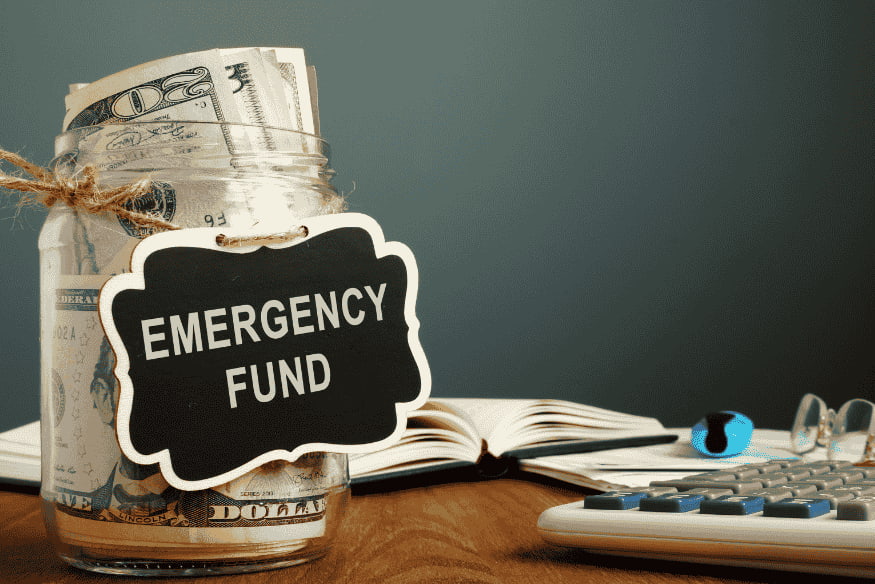
Before any investment, build your emergency reserve. This is an untouchable fund, intended to cover unexpected expenses (job loss, health problems, urgent repairs).
- How Much to Have? Ideally, have between 3 to 12 months of your fixed and essential expenses. For freelancers or those with variable income, a higher amount is recommended.
- Where to Keep It? In highly liquid and low-risk investments, such as savings accounts, Selic Direct Treasury bonds (Tesouro Direto Selic), CDBs (Certificate of Bank Deposit) with daily liquidity, or money market funds from large banks. The goal here is not maximum profitability, but security and quick access.
Know Your Investor Profile
Before investing, understand your risk tolerance:
- Conservative: Prioritizes security and liquidity, accepts lower returns.
- Moderate: Accepts a bit more risk in pursuit of better returns, with a balance between security and profitability.
- Aggressive/Bold: Accepts high risks in pursuit of potentially high returns, prepared for losses.
Your profile may change over time and experience.
Types of Investments
- Fixed Income:
- Tesouro Direto (Direct Treasury): Federal government bonds (Tesouro Selic, IPCA+, Pre-fixed). Excellent for medium and long-term goals, with good security and liquidity (Tesouro Selic) or profitability linked to inflation.
- CDB (Certificado de Depósito Bancário – Certificate of Bank Deposit): Bonds issued by banks. There are post-fixed CDBs (linked to the CDI), pre-fixed, and inflation-indexed. The FGC (Credit Guarantee Fund) guarantees up to R$ 250,000 per CPF/CNPJ per financial institution.
- LCI/LCA (Letras de Crédito Imobiliário/Agronegócio – Real Estate/Agribusiness Credit Bills): Exempt from Income Tax for individuals, usually with good returns, but with grace periods.
- Debentures: Corporate debt securities. May have higher risk and higher profitability.
- Variable Income:
- Stocks: Represent a small part of a company. Potential for high returns, but with risk of significant losses.
- Investment Funds: Pool money from several investors and are managed by professionals. There are stock funds, multi-market funds, real estate funds (FIIs), etc.
- ETFs (Exchange Traded Funds): Funds that replicate market indices (like the Ibovespa), traded on the stock exchange.
- Crypto Assets: Digital currencies like Bitcoin and Ethereum. High volatility and risk, requiring extensive study.
Diversification: The Key to Reducing Risks
Don’t put all your eggs in one basket. Distribute your investments across different asset classes, sectors, geographies, and types of investments, according to your goals and risk profile. Diversification helps mitigate losses when an asset or sector does not perform well.
Continuous Financial Education
The world of investments is constantly changing. Dedicate time to study, read books, follow economic news, and seek knowledge. The more you know, the better your decisions will be.
Financial Protection: Shielding Your Assets and Your Family
Investing is not just about accumulating; it’s also about protecting what you’ve already achieved and the people who depend on you.
Essential Insurance
- Life Insurance: Essential to financially protect your family in case of your death or disability. Ensures your dependents will not be left unsupported.
- Health Insurance/Health Plan: Essential to guarantee access to quality medical services, protecting you and your family from high and unexpected medical expenses.
- Home/Property Insurance: Protects your property and assets against theft, fire, natural disasters, etc.
- Auto Insurance: Protects your vehicle and third parties in case of accidents, theft, or robbery.
Basic Tax Planning
Understanding income tax on your investments and income can generate significant savings. Take advantage of legally permitted deductions, choose investments with tax benefits (like LCI/LCA), and plan your movements to optimize tax payments.
Retirement Planning: Building Your Future Without Worries
Retirement is one of the most important long-term goals and requires dedicated planning.
Social Security (INSS) vs. Private Pension
- INSS: The basis of public retirement in Brazil. Mandatory contributions for most workers. It is important to know the rules and how much you can expect to receive.
- Private Pension: Complements or replaces Social Security. Allows you to accumulate capital over time and enjoy tax benefits (especially in the PGBL model for those who file a complete income tax return).
- PGBL (Plano Gerador de Benefício Livre – Free Benefit Generating Plan): Allows you to deduct contributions from your annual gross income tax calculation base up to 12%, but income tax is levied on the total amount redeemed or received as income.
- VGBL (Vida Gerador de Benefício Livre – Free Benefit Generating Life): Does not allow deduction of contributions, but income tax is levied only on the returns at the time of redemption or income receipt. Ideal for those who file a simplified income tax return or have already reached the 12% limit in PGBL.
Accumulation Strategies
- Start Early: The power of compound interest is greater the earlier you start investing. Small amounts regularly applied over many years can turn into significant wealth.
- Invest Consistently: Maintain the discipline of regular contributions, even in small amounts.
- Adjust Investments Over Time: As you approach retirement, it is prudent to shift part of your investments from riskier assets to more conservative ones to protect accumulated capital.
Estate Planning: Legacy and Tranquility
Organizing your succession ensures that your assets are distributed according to your wishes, avoiding family conflicts and unnecessary costs.
- Will: A legal document that expresses your wishes regarding the distribution of assets after your death.
- Lifetime Donations: Transfers part of the assets during life, with proper tax planning.
- Life Insurance: Life insurance values do not enter probate, being a quick and efficient way to leave resources for beneficiaries.
Continuous Review and Adjustment: A Living Plan
Financial planning is not a one-time event, but a continuous process. Your life, your goals, and the economic scenario constantly change.
- Periodic Reviews: Review your plan at least once a year, or whenever there are major changes in your life (marriage, birth of a child, job loss, income change, major purchases).
- Goal Adjustment: Your goals may change, and the plan must be flexible enough to adapt.
- Investment Monitoring: Monitor the performance of your investments and make portfolio adjustments as necessary, without succumbing to emotional decisions.
Conclusion: Controlling Your Financial Destiny

Reaching the end of this guide is just the beginning of your journey. Comprehensive personal financial planning is a tool for empowerment. It takes you off autopilot, allows you to make conscious decisions about your money, and, most importantly, puts you in control of your financial destiny.
By applying the principles of diagnosis, goal setting, budgetary control, debt management, smart saving, diversified investing, and asset protection, you will not just be organizing numbers. You will be building the foundation for your financial freedom, the ability to make choices that positively impact your life and your family, without the constant worry about money.
Remember: discipline, persistence, and continuous education are the pillars of success. Start today, no matter how small the step. Every conscious financial decision is an investment in your future. The path to achieving your financial dreams is ahead of you – now, you have the compass to navigate it.