Online Banks in the U.S.: Advantages, Risks, and How They Work
Over the past two decades, the way Americans manage money has changed dramatically. What once required visits to physical branches, paperwork, and long wait times can now be handled almost entirely th
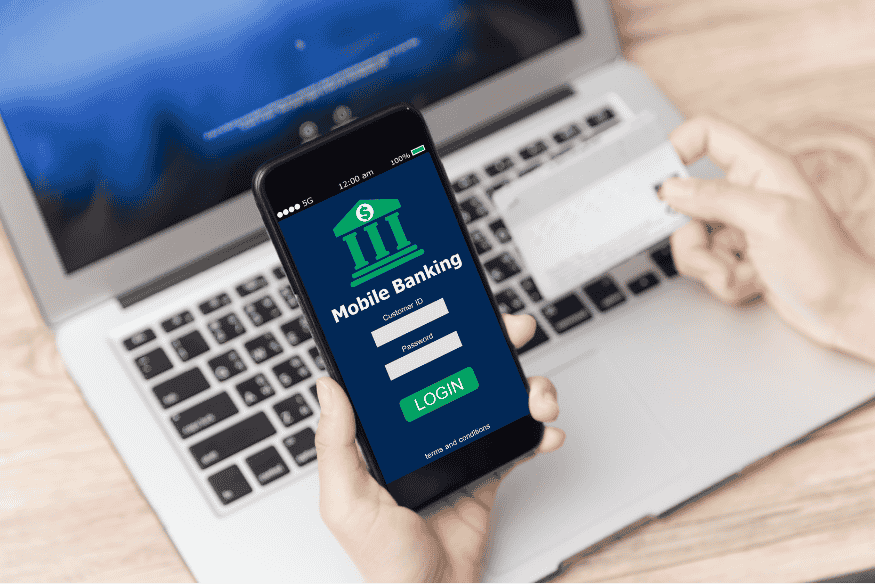
Over the past two decades, the way Americans manage money has changed dramatically. What once required visits to physical branches, paperwork, and long wait times can now be handled almost entirely through a smartphone. This transformation has been driven largely by the rise of online banks, which operate without traditional brick-and-mortar locations and rely on digital platforms to deliver financial services.
For many consumers, online banking represents convenience, lower costs, and greater control over everyday finances. Checking balances, transferring funds, paying bills, and depositing checks can be done in minutes, often with fewer fees than those charged by traditional banks. As technology becomes more integrated into daily life, these digital-first institutions continue to attract millions of users across the United States.
However, the shift toward online banks also raises important questions. How do these institutions actually work? Are they as safe as traditional banks? What risks do consumers face when there is no physical branch to walk into? Understanding these issues is essential before deciding whether an online bank fits your financial needs.
This article explains how they operates in the U.S., examines the main advantages that attract customers, outlines the potential risks, and explores how regulation and technology shape this sector. By the end, you will have a clear framework to evaluate whether digital banks align with your financial habits and long-term goals.
What Online Banks Are and How They Operate
Online banks are financial institutions that provide banking services primarily or exclusively through digital channels. Instead of physical branches, they rely on websites and mobile apps to interact with customers. This operating model allows them to reduce overhead costs and streamline processes.
Most online banks offer core services such as checking accounts, savings accounts, transfers, bill payments, and debit cards. Some also provide additional products, including personal loans, certificates of deposit, and in certain cases, credit cards. Customer service is typically handled through chat, email, or phone rather than in person.
From a regulatory standpoint, online banks function much like traditional banks. Many are chartered banks with direct regulatory oversight, while others partner with established institutions to deliver services. In both cases, deposits are generally insured when the institution participates in federal deposit insurance programs.
One key difference lies in infrastructure. Because there are no branches, online banks invest heavily in digital security, server reliability, and user experience. Their platforms are designed to handle high volumes of transactions efficiently, often with real-time notifications and automated features.
Another defining characteristic is speed. Account opening processes are usually faster and require fewer steps than traditional banking. Identity verification is performed digitally, allowing customers to open accounts within minutes.
Understanding this operational model helps explain why online banks can offer certain benefits while also presenting distinct limitations compared to traditional institutions.
Key Advantages of Online Banking for U.S. Consumers
The appeal of online banking begins with convenience. Accessing accounts at any time, from virtually anywhere, aligns with modern lifestyles that prioritize flexibility and speed. There is no need to visit branches during limited hours or wait in line for routine tasks, which saves time and reduces friction in daily financial management.
Lower fees are another significant advantage. Without the cost of maintaining physical locations, online banks often eliminate monthly maintenance fees, reduce minimum balance requirements, and offer competitive interest rates on savings accounts. These savings are frequently passed on to customers, helping them keep more of their money working for them.
Technology-driven features also enhance usability. Automated budgeting tools, instant transaction alerts, spending categorization, and seamless integration with payment platforms improve financial awareness. Many users find that these features help them manage money more proactively and avoid missed payments.
Online banks also tend to innovate faster. Updates to apps, security features, and product offerings are rolled out regularly, often based on user feedback. This agility allows them to respond quickly to consumer needs and technological advancements.
Finally, accessibility plays a role. This can be particularly valuable for individuals in rural areas or for those who prefer digital interactions. As long as there is internet access, banking services remain available and consistent.
These advantages explain why digital banks have become a mainstream option rather than a niche alternative in the U.S. financial system.
Cost Structure and Fee Transparency in Online Banks
One of the most noticeable differences between online banks and traditional institutions is cost structure. Online banks typically operate with leaner expense models, which allows them to simplify fee schedules and reduce charges imposed on customers.
Monthly account fees are often eliminated altogether. Many online banks do not require minimum balances to avoid fees, which lowers barriers to entry. This can be particularly beneficial for younger consumers or those managing variable income.
Transaction-related fees are also reduced. Standard activities such as transfers between accounts, ACH payments, and mobile check deposits are frequently free. Overdraft practices are evolving as well, with some online banks offering grace periods or lower overdraft fees.
Transparency is another benefit. Digital platforms clearly display fee schedules and account terms, making it easier for customers to understand potential costs. This clarity supports informed decision-making and reduces unpleasant surprises.
That said, not all costs disappear. Certain services, such as expedited transfers or out-of-network ATM usage, may still incur fees. It is important for consumers to review account disclosures carefully.
Overall, the simplified cost structure is one of the strongest draws of online banking, especially for consumers seeking predictable and manageable financial relationships.
Security and Regulatory Protections in Online Banking

Security is a common concern when discussing online banking. Without physical branches, trust depends heavily on digital safeguards and regulatory oversight. In the U.S., most legitimate online banks are subject to the same federal regulations as traditional banks, operating under established supervisory frameworks.
Deposits are typically insured through the Federal Deposit Insurance Corporation. Institutions associated with FDIC protection ensure that customer funds are covered up to applicable limits in case of bank failure, providing a critical layer of financial safety regardless of whether the bank is online or branch-based.
Digital security measures are also extensive. Encryption, multi-factor authentication, biometric login options, and continuous monitoring are now standard practices. Many online banks invest heavily in cybersecurity infrastructure, often matching or exceeding the protections used by traditional institutions.
From a regulatory perspective, oversight is provided by agencies such as the Office of the Comptroller of the Currency or state-level banking authorities. These frameworks help ensure compliance with consumer protection, data privacy, and financial stability requirements.
Despite these protections, digital environments do present risks. Phishing attacks, social engineering, and data breaches are ongoing threats, making user awareness and strong password practices essential components of security.
Understanding both the protections and personal responsibilities involved helps consumers navigate with confidence rather than fear.
Risks and Limitations of Online-Only Banks
While online banking offers many benefits, it is not without limitations. The absence of physical branches can create challenges for certain types of transactions or customer preferences, particularly for users accustomed to in-person service and immediate assistance.
Cash handling is a notable issue. Depositing or withdrawing large amounts of cash can be more complicated, often requiring the use of partner ATMs or external accounts. For consumers who rely heavily on cash, this added step can feel restrictive and time-consuming.
Customer service, although increasingly sophisticated, may not suit everyone. Some individuals prefer face-to-face interaction for complex financial issues or sensitive discussions. Digital support channels, even when available around the clock, may feel impersonal or slower in urgent situations.
Technology dependence is another risk. Service disruptions, app outages, or internet connectivity problems can temporarily limit access to accounts. While such incidents are generally rare, they highlight reliance on digital infrastructure and contingency planning.
Additionally, product variety may be narrower. Not all online banks offer comprehensive services such as business accounts, safe deposit boxes, or specialized lending products. These limitations do not negate the value of this but underscore the importance of matching banking choices to individual needs and habits.
How Online Banks Compare to Traditional Banks
Comparing online banks to traditional institutions helps clarify where each excels. Traditional banks offer physical presence, which supports in-person services, cash transactions, and direct access to staff for complex needs. They may also provide a broader range of financial products, including business services, loans, and wealth management options under one roof.
Online banks, in contrast, emphasize efficiency, lower operating costs, and digital innovation. Their platforms are often more intuitive, with faster onboarding, real-time notifications, and simplified account management. This digital-first approach appeals to users who prioritize convenience and remote access.
Interest rates on savings accounts frequently favor online banks due to reduced overhead. This can translate into better returns for customers maintaining balances, especially those focused on maximizing passive growth rather than branch-based services.
Trust perceptions can differ as well. Traditional banks benefit from long-standing brand recognition and physical reassurance, while online banks rely on transparency, security standards, and user experience to build confidence.
Many consumers choose a hybrid approach, maintaining accounts at both types of institutions. This strategy allows them to benefit from the strengths of each while minimizing practical limitations.
Who Should Consider Using Online Banking
Online banking is particularly well suited for individuals who value convenience, digital access, and cost efficiency. Those comfortable with technology often find digital banks intuitive and empowering, especially when daily finances can be managed from a single app without visiting a branch or waiting for assistance.
Consumers with stable income and predictable transaction patterns may benefit most from streamlined services. Online banks can also support financial goals through automated savings features, real-time spending insights, and budgeting tools that encourage consistency and awareness. These systems often reduce friction and help users maintain better control over routine financial tasks.
However, individuals who frequently handle cash, require in-person assistance, or prefer traditional, relationship-based banking may find online-only options less suitable. Certain transactions and complex needs may still be easier to address face to face.
Evaluating personal financial habits is essential. This is not a universal solution, but it can be a powerful tool when aligned with user preferences, lifestyle, and expectations. When chosen thoughtfully, it can enhance efficiency without sacrificing security or clarity.
The Future of Online Banking in the U.S.

The growth of online banking reflects broader trends in digital transformation across the financial sector. Advances in artificial intelligence, open banking frameworks, and real-time payment technologies continue to reshape how financial services are delivered and consumed. These innovations enable faster decisions, personalized experiences, and more efficient risk management.
Competition between online banks and traditional institutions is driving innovation across the sector. Many traditional banks now incorporate digital features inspired by online models, such as mobile-first design, automated customer support, and integrated financial planning tools. This convergence is narrowing functional differences while maintaining distinct operating models.
Regulation is also evolving to address new risks and opportunities. Federal agencies continue to adapt oversight frameworks to ensure stability, data security, and consumer protection, with institutions such as the Federal Reserve and the FDIC playing central roles. Clear rules help maintain trust as services become more digital.
Looking ahead, this option is likely to become even more integrated into daily financial life. Greater personalization, smarter automation, and seamless connectivity across platforms are expected to improve efficiency while reshaping how consumers interact with money.
Conclusion
Online banking has become a major force in the U.S. financial system, offering convenience, lower costs, and technology-driven services that align with modern expectations. By understanding how digital banks operate, consumers can make informed decisions rather than relying on assumptions or marketing claims.
The advantages include accessibility, transparency, and innovation, while risks center on technology dependence and limited physical services. Regulatory protections and security measures provide a strong foundation, but user awareness remains essential.
Choosing between online banks and traditional institutions is not a matter of right or wrong. It is about fit. By assessing financial habits, comfort with technology, and service expectations, consumers can determine whether this option supports their goals.
As the financial landscape continues to evolve, online banks will play an increasingly influential role. Staying informed allows you to take advantage of these changes while managing risks responsibly.