Personal Loans vs Credit Cards: Which Is Better in the U.S.?
Compare personal loans and credit cards in the U.S. and learn which option fits your financial needs, costs, and repayment goals.

Borrowing money is a common part of financial life in the United States. Whether to cover an unexpected expense, consolidate debt, finance a major purchase, or manage short-term cash flow, consumers often turn to two primary options: credit cards and personal loans. While both provide access to funds, they function very differently and can lead to very different financial outcomes depending on how they are used.
Many Americans default to revolving credit because they are familiar, easy to use, and widely accepted. Others prefer installment loans for their structured repayment and predictable costs. The question of which option is better does not have a single universal answer. Instead, it depends on purpose, discipline, interest rates, repayment timeline, and long-term financial strategy.
Understanding the distinctions between installment borrowing and revolving credit has become even more important in recent years. Changes in interest rate environments, stricter lending standards, and growing awareness of debt management have made borrowing decisions more consequential. A poorly chosen credit product can quickly increase financial stress, while a well-matched one can provide stability and control.
This article explains how this loans and credit products work in the U.S., compares their costs, risks, and benefits, and explores how each fits different financial scenarios. By the end, you will have a clear framework to decide which option is more appropriate based on your goals, financial habits, and tolerance for risk.
How Personal Loans Work in the United States

Personal loans are installment loans that provide borrowers with a fixed amount of money upfront. The borrower agrees to repay this amount over a set period, usually ranging from two to five years, through fixed monthly payments. Interest rates are typically fixed as well, making costs predictable.
Most installment loans are unsecured, meaning they do not require collateral. Approval is based on factors such as credit history, income, and debt-to-income ratio. Some lenders also offer secured installment loans, which use assets as collateral and may offer lower rates.
One of the defining characteristics of these loans is structure. Borrowers know exactly how much they will pay each month and when the loan will be fully repaid. This clarity can be helpful for budgeting and long-term planning.
These loans are commonly used for debt consolidation, medical expenses, home improvements, or other large, one-time costs. Because funds are received as a lump sum, borrowers can address specific needs immediately.
From a credit perspective, these loans add an installment account to a credit profile. This can diversify credit mix, which is one of the factors considered in credit evaluation. However, taking on a new loan also increases total debt and introduces a new repayment obligation.
Understanding how these loans operate helps explain why they appeal to borrowers seeking predictability and defined repayment paths.
How Credit Cards Work as a Borrowing Tool
Credit cards provide revolving credit rather than a fixed loan amount. Cardholders have access to a credit limit and can borrow repeatedly up to that limit as long as they make required payments. Balances can be paid in full or carried forward, subject to interest charges.
Unlike installment loans, these accounts do not have a fixed repayment schedule. Minimum payments are required each month, but full repayment depends on cardholder behavior. This flexibility can be useful, but it also creates risk if balances persist.
Interest rates on revolving balances are usually higher than those on installment loans, especially for unsecured borrowing. Rates may also be variable, meaning they can change based on market conditions.
These payment cards are widely accepted and convenient for everyday purchases. They also offer additional features such as rewards, fraud protection, and purchase benefits that installment loans do not provide.
From a credit standpoint, revolving accounts affect metrics related to credit usage. High balances relative to limits can negatively influence credit evaluations, even if payments are made on time.
These accounts function best as short-term borrowing tools or payment mechanisms rather than long-term financing solutions.
Interest Rates and Total Cost Comparison
Interest rates are one of the most important factors when comparing personal loans and credit cards. On average, these loans tend to offer lower interest rates than revolving credit, especially for borrowers with good credit.
Installment loan rates are fixed in most cases, which protects borrowers from fluctuations. This predictability makes it easier to calculate total borrowing costs over the life of the loan.
Card interest rates are typically higher and often variable. Carrying a balance for an extended period can significantly increase the total amount paid due to compounding interest.
The structure of repayment also affects cost. With fixed-term loans, each payment reduces principal and interest in a defined sequence. With revolving accounts, minimum payments may barely reduce principal, extending repayment timelines.
While promotional card offers with low introductory rates exist, these are temporary. Once the promotional period ends, rates can increase substantially.
When evaluating cost, borrowers should consider not only the interest rate but also how long they expect to take to repay the balance. For long-term borrowing, installment loans often result in lower total cost.
Flexibility and Access to Funds
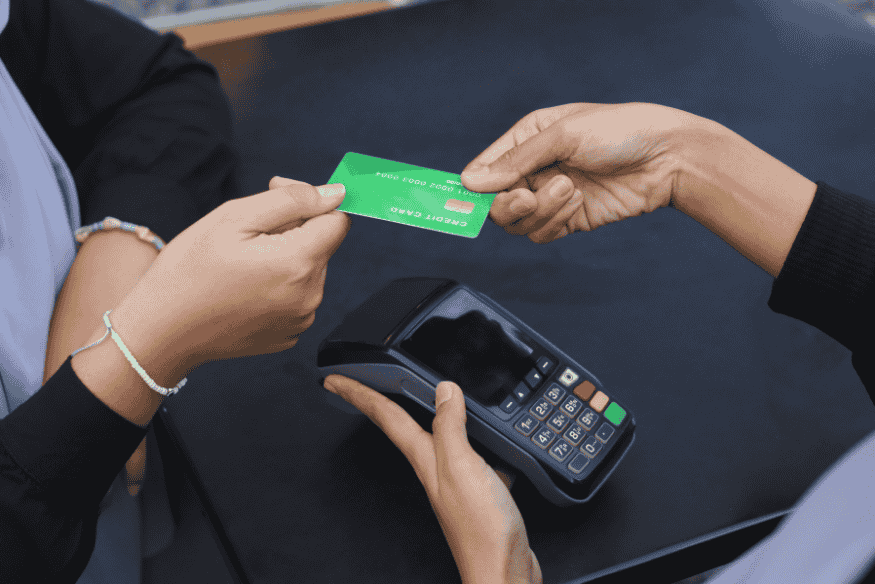
Flexibility is an area where credit cards generally outperform personal loans. Revolving accounts allow repeated access to funds up to the limit without reapplying. This makes them suitable for ongoing or unpredictable expenses.
Installment loans, by contrast, provide a one-time disbursement. After the funds are used, borrowers would need to apply for another loan if additional money is needed.
This difference affects how each product fits specific scenarios. Payment cards work well for everyday spending, emergencies, or expenses that vary month to month. Installment loans are more appropriate for defined expenses with a clear total cost.
However, flexibility can be a drawback. Easy access to revolving credit can encourage overspending or delayed repayment. Installment loans impose discipline through fixed payments and a set end date.
Choosing between flexibility and structure depends on personal habits and financial discipline.
Repayment Structure and Financial Discipline
The payment structure is one of the most significant differences between the two options. They require fixed payments over a specific period, which creates a clear path to becoming debt-free.
This structure enforces discipline. Borrowers cannot reduce payments arbitrarily, and the loan will be paid off according to schedule if payments are made consistently.
Revolving accounts provide minimum payment options that offer short-term relief but can extend debt indefinitely. Many borrowers underestimate how long it takes to repay balances when only minimum payments are made.
For individuals who benefit from structured obligations, installment loans can support better financial outcomes. For those with strong discipline who pay balances in full, credit cards can be managed effectively without long-term cost.
Understanding personal behavior is critical. The better option is often the one that aligns with how reliably payments will be managed.
Impact on Credit Profile and Long-Term Finances
Both options affect your credit history, but in different ways. They contribute to installment credit history and demonstrate the ability to manage fixed obligations over time, which can strengthen a profile when handled consistently.
Revolving accounts influence credit usage metrics and payment history more directly. High balances can negatively impact credit assessments, even with on-time payments, because they signal heavier reliance on revolving credit and reduced available capacity.
Adding a personal loan increases total outstanding debt, which may temporarily affect credit evaluations, particularly in the short term. Over time, however, consistent, on-time payments help establish reliability and can offset the initial impact.
Credit cards require careful balance management to avoid negative signals related to usage. Paying balances down regularly, ideally before statements close, is essential to keep reported usage low and metrics favorable.
All of this activity is reflected in data reported to credit bureaus such as Experian and evaluated by scoring models from FICO, which assess both structure and behavior.
From a long-term perspective, both products can support or harm financial health depending on how intentionally and responsibly they are used.
Common Use Cases and Decision Scenarios
Certain financial situations clearly favor one product over the other, and understanding these distinctions helps reduce cost and risk. Debt consolidation often favors personal loans due to their lower interest rates, fixed repayment schedules, and predictable timelines. This structure makes it easier to plan cash flow and track progress toward becoming debt-free.
Short-term expenses that will be repaid quickly may favor credit cards, especially when rewards programs or grace periods apply. When balances are paid in full within the billing cycle, borrowing costs can be minimized or avoided entirely. This makes cards useful for temporary needs with clear repayment timing.
Large, one-time purchases with a known cost are often better matched with these loans. Fixed payments and defined terms support disciplined repayment. Ongoing expenses or variable costs may be better served by revolving accounts, which offer flexibility and revolving access.
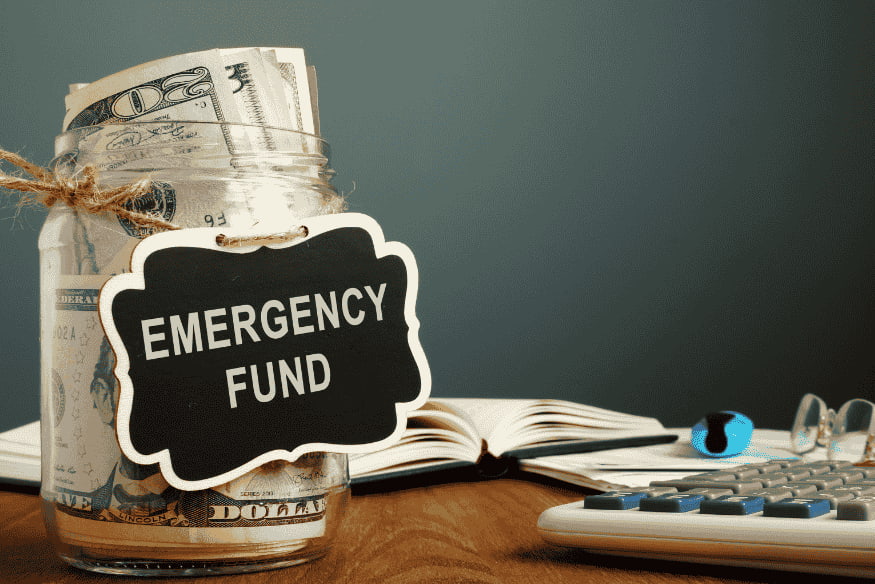
Emergency scenarios require careful consideration. Payment cards offer immediate access, but financial reserves are often a safer alternative to borrowing, avoiding interest and future obligations during stressful situations.
Analyzing the nature, timing, and certainty of an expense helps guide the decision more effectively than focusing on product popularity or promotional appeal.
The Role of Purpose: Matching the Type of Debt to the Expense
One of the most overlooked aspects when choosing between the two options is the purpose of the expense itself. Not all debt is created equal, and the way borrowed money is used often has a greater impact on financial outcomes than the interest rate alone. Understanding this distinction helps borrowers avoid mismatches that lead to unnecessary costs or prolonged repayment.
Installment loans are generally better suited for well-defined expenses with a clear total cost. Examples include consolidating existing debt, covering a medical procedure, or financing a home improvement project. In these situations, borrowers know how much money is required from the start and benefit from receiving the full amount upfront. The fixed repayment schedule aligns naturally with a single-purpose expense, allowing the debt to be resolved methodically over time.
Credit cards, by contrast, are designed for transactional flexibility. They perform best when used for short-term needs, variable expenses, or everyday purchases that can be paid off quickly. Using a credit card for a predictable, large expense often results in higher interest costs and a longer repayment horizon unless the borrower is highly disciplined.
Problems arise when these tools are used interchangeably without considering intent. Financing long-term expenses with revolving credit can trap borrowers in cycles of minimum payments. Likewise, using installment loans to cover ongoing lifestyle spending creates structural rigidity without solving cash flow issues.
Purpose also influences behavior. A personal loan creates a psychological boundary around the expense, reinforcing the idea that the borrowing event is temporary. Revolving accounts, by allowing repeated use, can blur this boundary and encourage incremental debt accumulation.
Risks and Pitfalls to Avoid
Both borrowing options carry risks that should be evaluated carefully before making a decision. With personal loans, the primary risk is committing to fixed payments that strain cash flow over an extended period. Missing payments can have serious credit consequences, including late fees, penalty rates, and long-term damage to credit history.
With credit cards, the risk often lies in prolonged debt accumulation and escalating interest costs. High variable rates combined with minimum payment structures can cause balances to linger for years. Minimum payments may create a sense of progress while masking the true cost of borrowing and slowing repayment significantly.
Applying for multiple credit products can also increase financial vulnerability. Each new obligation adds complexity, raises monthly commitments, and reduces flexibility when unexpected expenses arise. This layering of debt can make recovery more difficult during income disruptions.
Borrowers should avoid using either option to fund ongoing lifestyle expenses without a clear, realistic repayment plan. Financing regular spending can quickly turn convenience into dependency.
Awareness of these pitfalls helps maintain control and encourages intentional borrowing. When credit is used thoughtfully and sparingly, it remains a tool rather than a burden.
Conclusion

Deciding between personal loans and credit cards in the U.S. is not about determining which is universally better. It is about understanding which tool best supports your specific financial situation, habits, and goals.
These loans offer structure, predictability, and often lower interest costs for defined expenses and long-term repayment. They provide flexibility, convenience, and short-term borrowing power when used responsibly.
The most effective choice aligns the type of debt with the nature of the expense and your ability to manage repayment. By evaluating interest rates, repayment structure, credit impact, and personal discipline, you can make informed borrowing decisions that support financial stability rather than undermine it.
Borrowing wisely means using debt intentionally. When used with clarity and restraint, both installment loans and revolving accounts can serve useful roles within a balanced financial strategy.